Explore practical ways to bring peace into your life with our comprehensive guide. Discover 5 strategies for cultivating enduring peace and well-being today.
How can you add more peace into your life in a world rife with conflict? There are ways, so do not give up on peace. In this guide, we will explore 5 practical ways to bring peace into your life, providing you with actionable strategies to cultivate a more peaceful existence.
1. A Sure Path to Peace
Photo fromPexels
You know those times you feel really agitated and can’t find any peace? Well, clearing emotions that cause agitation within is an important way to bring enduring peace into your life. Emotions can be so strong, you sometimes try to dodge them rather than face them.
Begin by recognizing the emotions you are feeling, face them and accept them, then talk them out/express them (to yourself or others) to gain clarity and finally embrace or release them.
If talking doesn’t work for you, writing is another way to sort out your feelings and express them in words.
This puts you at peace with yourself from within. This peace extends to others and to your surroundings.
2. Embrace Your Natural Inclination
Photo fromPexels
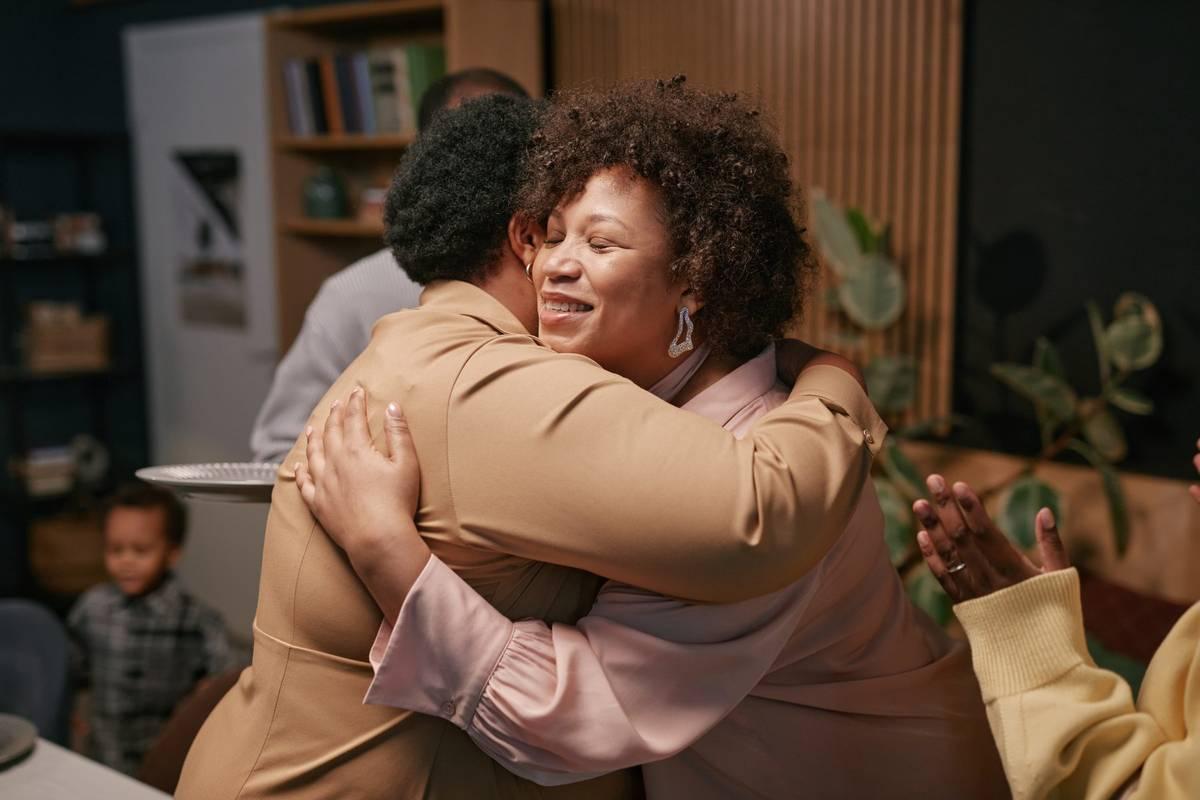
When your emotions are cleared and you feel clarity, it is easier to embrace your natural inclination to give kindness and love. You can share kindness in the form of smiles, words of encouragement, helpful actions, affection, and more.
When you are kind and loving, you start the cycle of kindness that makes life sweet. Our hearts are meant to love and be kind and when we follow through on this, we are rewarded with so much peace in having touched another person’s heart.
Include yourself in the kindness. You know how we can beat ourselves up and be so hard on ourselves. Be kind to yourself. In both cases, you gain more than just mental and spiritual strength, your body receives the physiological benefits that bring about peace.
“Physiologically, kindness can positively change your brain. Being kind boosts serotonin and dopamine, which are neurotransmitters in the brain that give you feelings of satisfaction and well-being, and cause the pleasure/reward centers in your brain to light up. Endorphins, which are your body’s natural pain killer, also can be released.” (1)
3. Peace is a Choice
You choose peace when you make a commitment to address disagreements and crises in a peaceful way, not fighting or resorting to violence, and making an effort to control your temper and reactions.
“When you commit to addressing conflict without fighting, it improves your chances for security. This mindset causes you to employ other ways and means of addressing conflict.
“We, in our community, all commit to not fighting to resolve any issues. It has caused us to communicate better, gain more emotional control and realize other creative ways to bring about justice, true growth, and development.”Excerpt from Our Lifestyle Guide: Tips to Improve Life Quality, Security and Community
“Peace is not the absence of conflict but the ability to deal with it.”Ben Ammi
Once you commit to having peaceful relationships and resolving problems in a peaceful way, activities like spending quiet time in nature and practicing meditation can help fortify your self-control.
4. The Obvious One
You should always stay away from people and places that are known for violence. It might seem simple, but here are some real scenarios that throw us off:
Family ties sometimes pull on your heartstrings and in an effort to be with family, you leave yourself exposed to dangerous situations. Be careful and sensible to protect yourself. Invite family into your peaceful environment instead of risking a dangerous environment. Or encourage family to come out of a dangerous environment or meet you in a safe environment.
Curiosity can sometimes pull you into dangerous situations. Loud sounds and animated behavior naturally draw your attention but keep your distance to keep your peace.
Kindness is often needed in some not-so-safe places when you are trying to reach those in need. For example, maybe you want to volunteer at a shelter located in a high-crime neighborhood. Always investigate your surroundings ahead of time, have protective measures in place, and pay attention.
These real situations require you to do your due diligence to stay safe. Ultimately, your chances for peace increase when you surround yourself with peaceful people and frequent peaceful places.
5. A Peace Maker
Photo fromPexels
Nothing creates feelings of peace quite like a good night’s sleep. The quality of sleep you get directly affects your feelings of peace. Sleep is so comforting and rejuvenating and it can determine the experiences of your day.
When you are deprived of sleep, your focus and concentration lessen. You experience a longing for rest and your peace begins to fade away as agitation and irritation rise.
“Research suggests sleep deprivation increases the activity of the amygdala – the brain’s fear center, which governs our emotional reactions. Without enough sleep, our amygdala goes into overdrive and makes us feel more emotionally reactive.
Research suggests sleep-deprived individuals are angrier, more distressed, more exasperated, and less able to adapt to frustrating situations than those who get sufficient sleep.”(2)
We don’t want to feel fearful, “emotionally reactive” and “angry”, which are opposites of feeling peace. Make a strong effort to get seven or more hours of sleep each night.
Avoid the lure of late-night television binging or excessive late-night partying. If you have problems sleeping or are faced with special circumstances that prevent you from getting sleep, ask for help.
Value having a regular sleep routine and a comforting sleep environment to ensure a peaceful night’s rest.
If you follow these tips, you will invite more peace into your life. Peace is not just a concept, Peace is action. You can be proactive to bring peace into your life.
In recognition of International Women’s Month, we extend peace to all our women readers!
In recognition of National Celery Month
1. How can I bring more peace into my life?
Bringing more peace into your life involves several practical strategies. Some of these include managing your emotions, embracing kindness, choosing nonviolent resolutions, avoiding risky situations, and prioritizing quality sleep. By actively implementing these approaches, you can cultivate a more peaceful and harmonious existence.
2. Why is managing emotions important for peace?
Clearing emotions that cause inner agitation is essential for lasting peace. By recognizing, accepting, and expressing your emotions, you can achieve clarity and tranquility within yourself. This inner peace then extends to your interactions with others and your environment.
3. How does kindness contribute to peace?
Kindness creates a positive cycle that fosters peace. When you’re kind and loving, you spread positivity that resonates with others. This positivity not only benefits those around you but also enhances your own well-being, both mentally and physiologically.
4. What does it mean to choose peace?
Choosing peace involves making a commitment to address conflicts and disagreements in nonviolent ways. It means prioritizing resolutions that foster understanding, communication, and growth. This approach helps build stronger relationships and contributes to a more harmonious environment.
5. How can I ensure a peaceful sleep?
Quality sleep is essential for maintaining peace. To ensure peaceful sleep, aim for seven or more hours of rest each night. Create a comfortable sleep routine, avoid late-night distractions, and cultivate a serene sleep environment. Prioritizing sleep contributes to emotional balance and overall well-being.
6. Can I bring peace into my environment?
Yes, creating a peaceful environment is possible by surrounding yourself with peaceful people and avoiding places known for violence. Prioritize safety and be mindful of the situations you expose yourself to. By choosing peaceful surroundings, you can contribute to a safer and more serene environment.
7. How can I actively cultivate peace?
Cultivating peace requires proactive efforts. You can actively manage your emotions, choose kind actions, commit to nonviolent resolutions, prioritize sleep, and make conscious choices about your surroundings. These actions collectively contribute to a more peaceful and fulfilling life.
8. Is peace a concept or an action?
Peace is both a concept and an action. While it’s a state of inner tranquility and harmony, it also involves taking deliberate actions to create and maintain that state. By implementing practical strategies and making conscious choices, you can transform the concept of peace into a lived experience.
9. How can I learn more about promoting peace?
To learn more about promoting peace, you can explore related articles on meditation, self-care, and healthy sleep habits. Additionally, you can refer to research studies and authoritative sources in fields like psychology and health to gain a deeper understanding of the factors that contribute to peace.
10. How can I get involved in promoting peace in my community?
Promoting peace in your community starts with your personal actions and interactions. By practicing kindness, conflict resolution, and creating a peaceful environment, you set an example for others. You can also participate in local initiatives, workshops, and events focused on promoting peace and unity.
Written by
Village of Peace Editorial Team
Village of Peace Dimona — Mastering the Art of Living