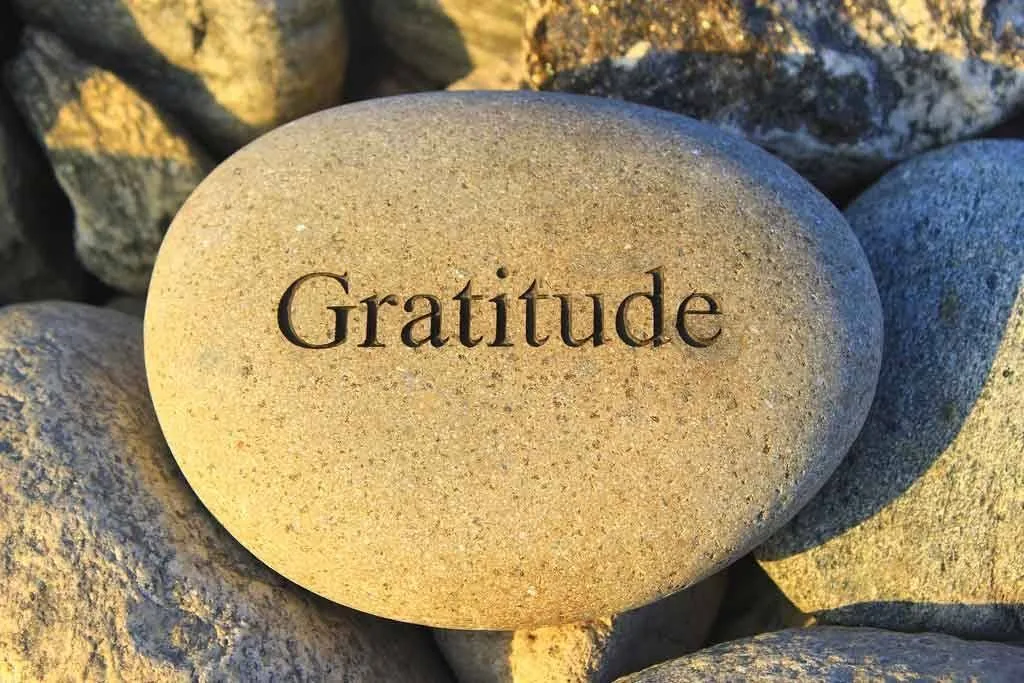
Gratitude expressed is a treasure to those who receive, as well as those who give.
Indeed, there is a profound joy that comes from truly appreciating something or someone, and an equally uplifting experience when you are the recipient of such heartfelt thanks. This feeling of warmth and connection is more than just an emotion; it's a powerful force with tangible benefits for our well-being. In the Village of Peace, we understand that cultivating gratitude is a vital part of Mastering the Art of Living. It is a practice that enriches not only our individual spirits but the very fabric of our communal existence.
## What is Gratitude? At its heart, gratitude is the sincere expression of deep thankfulness and appreciation for the positive impact something or someone has had on your life. This can manifest as a kind word, a thoughtful action, a meaningful gift, or even a simple affirmation. It is an acknowledgement of the blessings that surround us, both great and small.
When we intentionally express appreciation, we invite our minds to slow down and embrace mindfulness. This practice helps us bring our focus to the present moment, fostering a general sense of thankfulness that can truly anchor us. Taking even a brief moment to "take inventory" of our blessings can calm our spirit and offer a much-needed pause in our busy lives.
## The Physiological Benefits of Gratitude The profound sense of well-being we experience when practising gratitude is not merely anecdotal; it is deeply rooted in our physiology. Scientific studies affirm that gratitude positively impacts the brain, benefiting both the giver and the receiver. When you consciously express appreciation, you actively shift your mood and thinking towards a more positive state.
This intentional recognition of positive actions, or the act of doing something thoughtful for another, stimulates the brain to produce dopamine and serotonin. These powerful "feel-good" hormones are linked to a host of health advantages: - Reduced stress and increased motivation - Better sleep quality - A greater sense of calmness and inner peace - Improved digestion - Enhanced mood regulation
Furthermore, cultivating appreciation can even support neuroplasticity, the remarkable ability of our brain to reorganize itself by forming new neural pathways. Maintaining a positive outlook, deeply intertwined with thankfulness, directly influences our cognitive functions, helping us to think more clearly and creatively.
## Gratitude: A Cornerstone of Our Communal Culture In the Village of Peace Dimona and throughout our global community, gratitude is not merely a practice; it is a fundamental principle woven into the fabric of our daily lives. We believe few things hold greater value than the sincere expression of thankfulness. This deep appreciation is honoured through two distinct cultural celebrations each year, in early winter and early spring.
### Yom Sayvah: honouring Our Elders In the winter, typically in the 11th month (November), we dedicate a season of celebration to our Elders, whom we affectionately call our "Treasured Treasures." This special time, known as Yom Sayvah (Elder's Day), is a profound expression of our respect and love for those who have walked before us.
Many of our Elders were pioneers, instrumental in laying the very foundations of our Village of Peace. They embody the spirituality, tenacity, focus, sacrifice, and clarity of purpose that transformed our vision from a concept into a thriving reality. We cherish them as "living libraries," a fount of immense life experience and wisdom that they continue to share generously with our youth and community. During Yom Sayvah, we shower them with thoughtful gifts, pamper them with massages and spa treatments, and host special meals in their honour, constantly reminding them of their essential role in our collective journey.
### Yom L’mokereem: The Day of Appreciation In the spring, we come together for a more family-based celebration called Yom L’mokereem, or the Day of Appreciation. While some visitors have likened it to other holidays due to the exchange of gifts among family and friends, its essence is uniquely ours. Here, the expression of gratitude is multifaceted and multigenerational, extending beyond a single day into a season of collective joy.
This extended celebration includes vibrant communal gatherings, lively games, and inspiring musical performances. We emphasize sharing specially made items or rendering services tailored to the receiver, reflecting the unique spirit of the giver rather than just material gifts. The ultimate goal of Yom L’mokereem is to affirm the intrinsic value of our relationships with one another, our connection to the Creation and the Creator, and the profound beauty of the communal lifestyle we have chosen.
## Cultivating Your Personal Gratitude Practice Integrating gratitude into your daily life is a powerful step towards greater peace and fulfillment. We invite you to explore these simple yet profound ways to cultivate your own practice: - Offer a sincere "Thank you" whenever appropriate, letting your appreciation resonate. - Give heartfelt compliments freely, without expectation or obligation. - Respond to kindness with kindness, and wherever possible, meet negativity with a positive, uplifting action. - Dedicate time each day to mentally or physically list the blessings and the people who support your growth. - Seek opportunities to serve and assist those who may be less fortunate, sharing your abundance. - Actively look for joy and beauty in all things, from the grandest experiences to the smallest, most overlooked details of life.
In the Village of Peace Dimona and our vibrant communities worldwide, we deeply understand that gratitude is truly a vital nutrient for the mind, body, and soul. Embracing and expressing it is not just a practice, but a fundamental aspect of Mastering the Art of Living. We invite you to make gratitude a conscious part of your journey, enriching your life and those around you.
Written by
Sgan Yahgdeer
Village of Peace Dimona