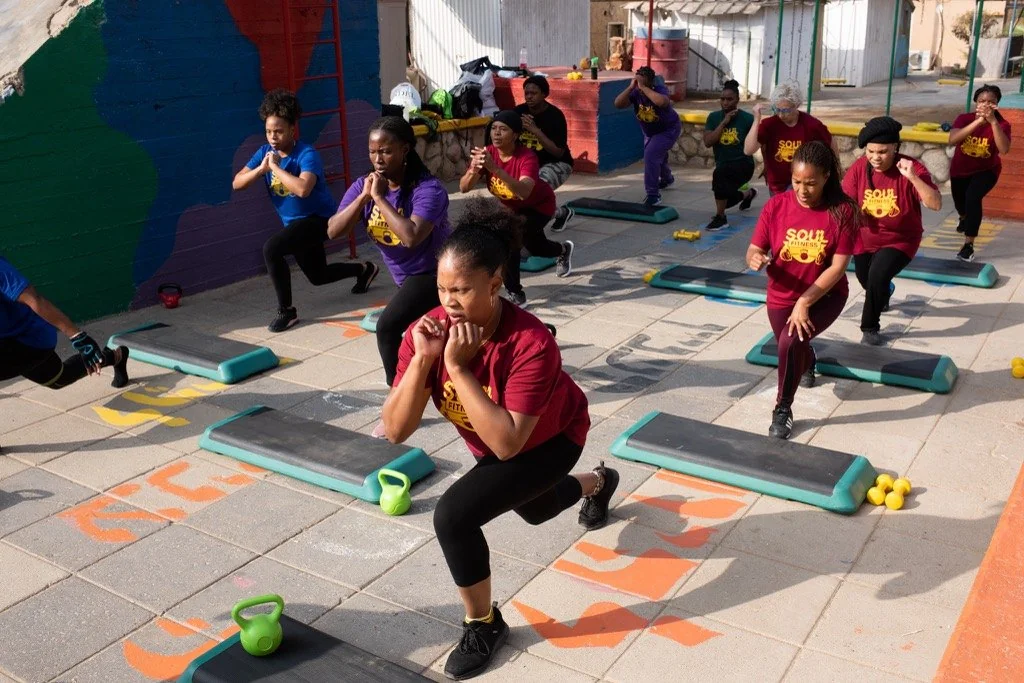
In the Village of Peace Dimona, the spirit of service is woven into the fabric of our daily lives. We understand that true growth, both individual and communal, often blossoms from the act of giving to others. This profound principle, exemplified by our revered founder Ben Ammi Ben-Israel, guides us in cultivating a culture of mutual support and upliftment. We invite you to explore how embracing service can not only transform the lives of those we assist but also profoundly enrich your own journey.
## The Blueprint of Service Many of us recall the powerful examples set by our elders and those who came before us, demonstrating unwavering dedication to their communities. For some, this might have been watching their parents selflessly invest their time, energy, and resources into the well-being of others. These were individuals who understood the profound, long-term impact their actions and service would have on generations to come.
Their sincere desire to uplift others opened doors for them—intellectually, spiritually, emotionally, and sometimes even materially. They built a deep well of support and goodwill, recognizing that the more they shared of their time, energy, and most importantly, their attention, the deeper the bonds they forged within the community.
## The Transformative Power of Giving As the esteemed Booker T. Washington wisely noted, “If you want to lift yourself up, lift up someone else.” Serving others is a beautiful gesture that offers profound benefits to all involved. When you extend a hand to someone in need, your brain naturally releases serotonin and dopamine, often referred to as the “feel-good” hormones. These natural chemicals are known to positively influence emotional regulation, focus, cognitive function, motivation, and an overall sense of happiness.
Beyond these physiological benefits, service strengthens the social contract within our community. When we feel invested in one another, and trust is reciprocated, we naturally become less self-centred. This collective consciousness allows us to consider how our decisions might impact others, fostering a greater sense of shared ownership and accountability for the well-being of all.
Through service, we also deepen our understanding and intimacy with those in our circle. Positioning yourself to help means opening your heart to perceive and respond to another’s needs. This often involves listening more deeply, observing subtle cues, and communicating in ways that transcend mere words. Whether it’s a simple check-in call, sharing a nourishing meal, assisting with a chore, or consistently offering affirming language, every act of service, big or small, contributes to the collective good.
## Cultivating a Heart for Service Preparing oneself to serve others is not an arduous task; it begins with an open heart. Beyond this fundamental sincerity, there are several key attributes that can enhance your ability to serve with truth, effectiveness, and genuine care. We invite you to consider cultivating these qualities:
### Empathy Empathy is the ability to understand what others are experiencing without becoming emotionally overwhelmed by their situation. Maintaining this perspective is crucial, as the goal of helping is to offer clear assistance, not to become entangled in their struggles to the point of needing help yourself.
By holding a clear view, you can provide support that is truly beneficial and empowering. It allows you to connect deeply with others while remaining an effective source of strength and guidance.
### Patience Just as we would appreciate patience from others during our own challenging moments, extending the same grace is vital. You may never fully grasp the entirety of what someone is navigating at a given time. Rushing or pushing can inadvertently worsen a situation or diminish the positive impact of your good intentions. Cultivating patience allows space for understanding and genuine connection to flourish.
### Humility True growth often begins when we genuinely realise that service is not about personal acclaim. Humility is rooted in a selfless approach, yet it is not a dangerous self-sacrifice that depletes you. Understanding the larger picture, and sharing your unique gifts and talents to assist others, serves the greater good. Our community, and indeed the entire Creation, thrives when we collectively strive for greater harmony, health, and happiness.
### Discernment practising discernment means recognizing and respecting both your boundaries and those of the person you wish to serve. Be honest about your capacity and genuine desire to help, and also inquire into your motivations for serving. There is no need for self-appointed martyrs or heroes, as these roles often add unnecessary drama to already complex situations. While serving others is profoundly important, it should not require you to constantly place yourself in physical, emotional, or spiritual jeopardy.
Crucially, let your service be an offer, never an imposition. For some, depending on their situation and disposition, the mere knowledge that someone cares and is willing to assist can be enough to encourage them. Knowing that support is available, even if inconvenient for the giver, can be an incredible motivator. However, if someone clearly indicates that assistance is not needed or wanted, persisting can transform you into another burden they must navigate. In such delicate situations, treading lightly and seeking counsel from others who may have a deeper understanding can be invaluable.
### Consistency Consistency is among the most valuable assets one can cultivate in life. As we often share in our community, long-term success rarely stems from instant solutions; it is built through steady, dedicated effort. Showing up, doing the work, and performing in a way that transforms the act itself into a positive habit is key. Imagine how much more harmonious our world would be if acts of kindness and service were as reflexive and regular as breathing. When we integrate service into our lives with such natural rhythm, everyone and everything ascends.
## Embracing Self-Discovery Through Service We learn the most profound truths about ourselves when we are in community with others. Delving deeply into a concern that is not our own helps to shift our focus away from self. The problem-solving insights we gain, individually and collectively, offer us an opportunity to view ourselves from an “outsider’s” perspective. This process not only enhances our understanding of others but also deepens our self-awareness.
Reflect on the humility and courage it takes for someone to truly ask for help. By honouring their vulnerability and need, you also gain insight into how you might position yourself when you, too, require assistance. As an ancient adage reminds us: “You learn yourself twice, when you have to ‘ask’ and when you have to ‘answer’.”
Ultimately, when we focus on personal growth with sincerity and balance, specifically with the intention of helping others, the benefits ripple outwards to everyone. Striving for and attaining these collective as well as personal achievements is indeed a core aspect of Mastering the Art of Living here in the Village of Peace Dimona. We invite you to explore how your unique gifts can contribute to the upliftment of our community, enriching both your life and the lives of those around you.
Written by
Sgan Yahgdeer
Village of Peace Dimona