Discover the deep connection between soil health, gut microbiomes, and human well-being. Learn how regenerative agriculture and ancient wisdom guide sustainable living.
Reconnecting with the Living Earth
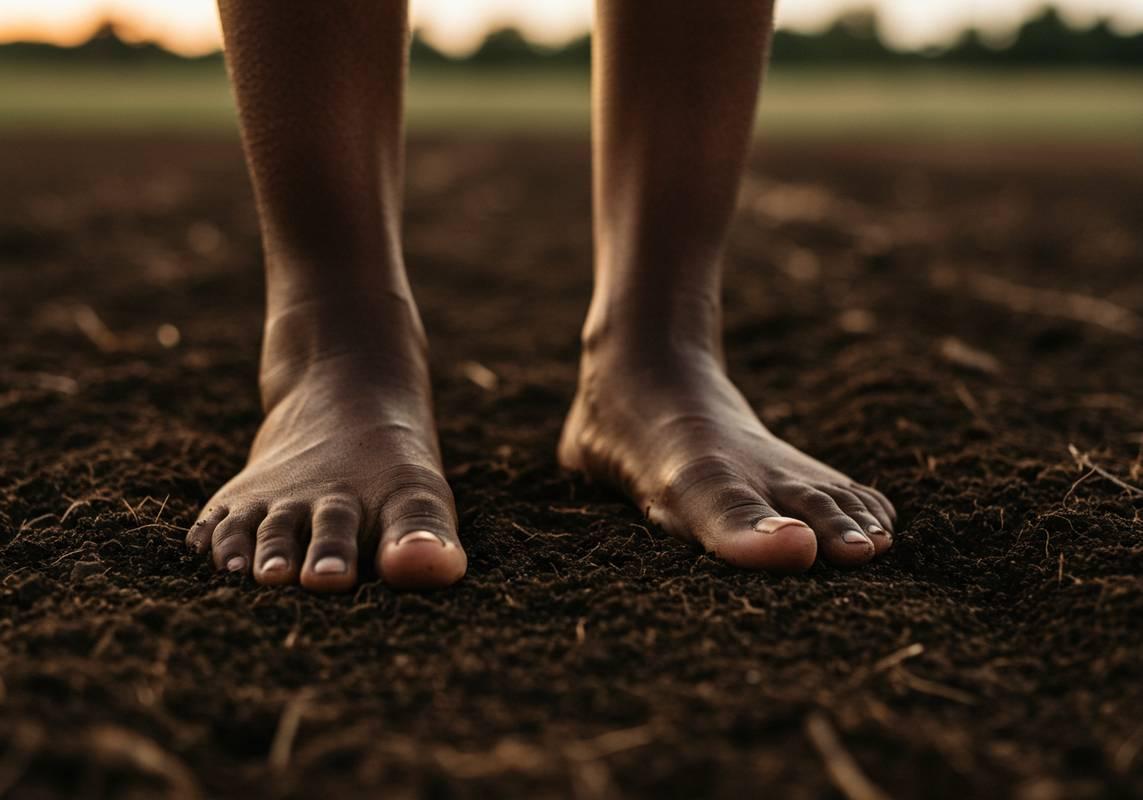
Walking barefoot on rich, dark earth is more than a sensory experience—it is a profound connection to the very material from which we were formed. This link is not only reflected in ancient wisdom but also affirmed by modern science.
Both scripture and soil biology reveal that the life beneath our feet directly impacts our health and well-being. The microbial life in the soil sustains plants, which in turn nourish our bodies and influence everything from digestion to mental clarity.
The Wisdom of the Earth: A Shared Truth
Did you know that human life is both spiritually and scientifically connected to soil?
Genesis 2:7 states:“Then the Lord God formed man from the dust of the ground and breathed into his nostrils the breath of life, and man became a living being.”
Genesis 2:7 states:“Then the Lord God formed man from the dust of the ground and breathed into his nostrils the breath of life, and man became a living being.”
Modern science confirms that the minerals in soil are the same elements that make up the human body. Our health is deeply intertwined with the vitality of the land. Just as nutrient-rich soil sustains plant life, mineral-rich diets sustain us.
The Crisis in Soil Health: A Warning from the Earth
Over the last century, intensive agriculture has stripped our soils of their essential nutrients. Studies show that many soils have lost 50–70% of their original organic matter. This has led to a decline in the nutritional content of food, with key minerals like calcium, iron, and magnesium dropping significantly.
The depletion of soil life mirrors what happens in the human gut when exposed to processed foods, antibiotics, and chemicals. Just as overworked soil loses its microbiome, our gut microbiome becomes imbalanced, leading to health issues such as inflammation, poor digestion, and weakened immunity.
The Living Network Beneath Our Feet
Soil is not dead matter—it is alive. Beneath its surface lies an intricate web of fungi, bacteria, protozoa, and nematodes. These microbes break down minerals, convert organic material into nutrients, and form symbiotic relationships with plant roots.
This underground intelligence is strikingly similar to the neural pathways in our own bodies, particularly in the enteric nervous system (our “gut brain”). Just as soil microbes transform minerals for plants, our gut microbes convert food into nutrients essential for brain function, mood regulation, and overall health.
The “Wood Wide Web”: Nature’s Internet
Trees and plants are not isolated entities; they communicate through an underground network of fungi known as mycorrhizal networks. This “Wood Wide Web” allows trees to share nutrients, warn each other of threats, and support weaker plants.
Similarly, our gut microbiome functions as an internal communication network, influencing everything from serotonin production to immune responses. The more we support soil health, the more we nourish our inner ecosystems.
The Fifth Brain: The Soil–Gut Connection
New research suggests that our bodies do not rely solely on the brain in our skulls for cognition and emotion. Alongside the heart, skin, and gut, a“fifth brain”exists—one that links the intelligence of soil microbes to the workings of the human microbiome.
Neurotransmitter Production: Gut bacteria produce 90% of the body’s serotonin, affecting mood and mental health.
Microbial Adaptability: Like soil microbes adjusting to environmental conditions, gut bacteria adapt to our diets, impacting digestion and immunity.
Nutrient Transformation: Just as soil microbes make minerals bioavailable for plants, gut microbes convert food into essential compounds for human health.
Regenerative Solutions: Returning to Ancient Wisdom
Ancient traditions understood the importance of soil care. The biblical practice ofShmita(Leviticus 25:4) instructed farmers to let the land rest every seventh year—a principle now recognised by modern agriculture as crucial for regenerating soil health.
Practical Steps for Soil Restoration
Enhance Organic Matter– Use compost, biochar, and natural amendments to enrich soil life.
Minimise Soil Disturbance– Avoid excessive tilling, which disrupts microbial networks.
Maintain Living Roots– Plant cover crops and use intercropping to keep soil ecosystems active.
Prevent Erosion– Use mulching and terracing to retain topsoil and moisture.
Promote Biodiversity– Encourage diverse plant and animal life to sustain a balanced ecosystem.
By following these principles, we not only restore soil vitality but also improve the nutritional quality of our food—strengthening both body and spirit.
Taking Action: How You Can Reconnect with the Earth
Understanding our deep connection with the living earth calls us to act. Here’s how you can participate:
Support Regenerative AgricultureBuy organic, locally-grown produce.Advocate for policies that protect soil health.Learn about sustainable farming methods.
Buy organic, locally-grown produce.
Advocate for policies that protect soil health.
Learn about sustainable farming methods.
Practice Home FermentationStart with simple projects like sauerkraut, kimchi, or kombucha.Fermented foods not only improve gut health but also reconnect us with ancient food traditions.
Start with simple projects like sauerkraut, kimchi, or kombucha.
Fermented foods not only improve gut health but also reconnect us with ancient food traditions.
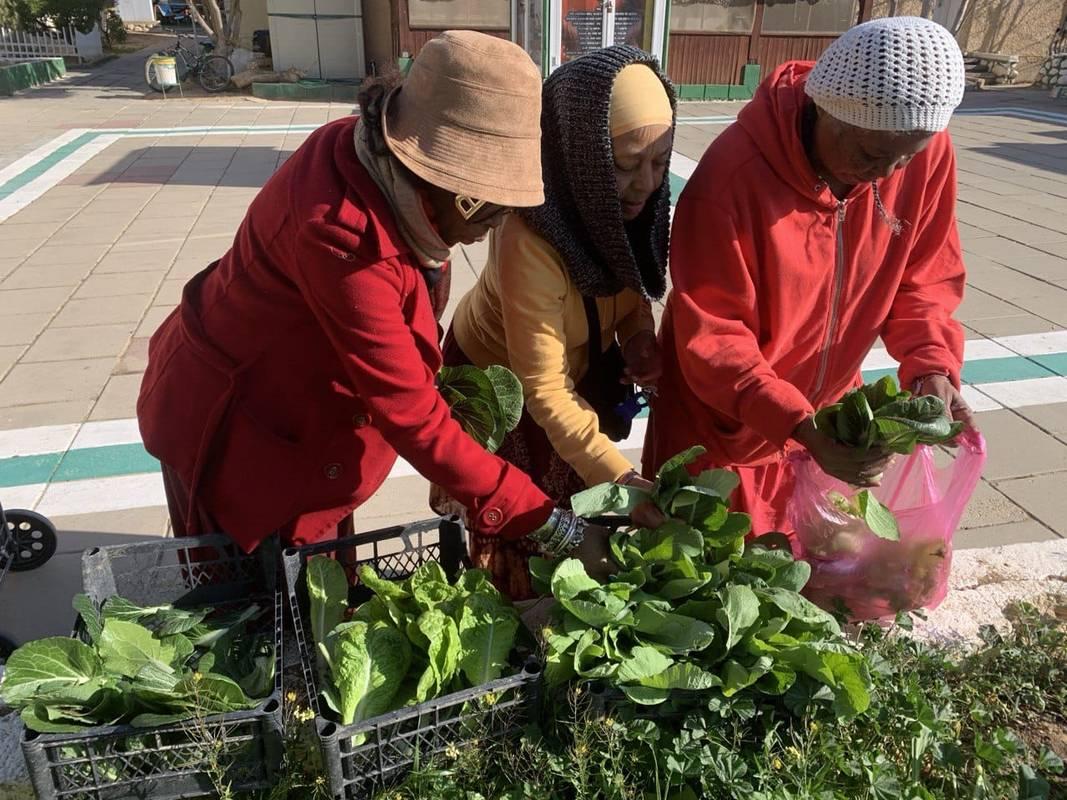
Engage in Community InitiativesJoin or start a community garden.Volunteer for local soil restoration projects.Educate others about the link between soil health and human well-being.
Join or start a community garden.
Volunteer for local soil restoration projects.
Educate others about the link between soil health and human well-being.
By restoring our relationship with the soil, we heal not only our environment but also ourselves.
Explore the Village of Peace Shop: Wear Your Commitment to a Sustainable Future
Sustainability is more than a practice—it’s a way of life. TheVillage of Peace Shopoffers apparel and eco-friendly products that reflect the values of environmental stewardship, conscious living, and community empowerment.
Discover ethically sourcedclothing, reusable water bottles, organic tote bags, and more—each item representing a step towards a healthier planet and a more connected world.Support sustainable initiatives and represent a lifestyle of regeneration.Shop now and be part of the movement for a thriving future.
Visit the VOP Shop Here
Written by
Village of Peace
Village of Peace Dimona — Mastering the Art of Living