Mastering the Art of Living Series
We typically think of health as an individual pursuit—personal choices that affect only ourselves. Yet emerging science reveals a more interconnected reality: our microbiomes—the trillions of micro-organisms that inhabit our bodies—are constantly being shared, exchanged, and influenced by those around us. This invisible exchange creates what researchers now call “community microbiomes”—shared microbial ecosystems that connect individuals through built environments, food systems, and cultural practices.
This revolutionary understanding transforms how we view both personal and public health. The microbes in your gut don’t just affect your individual wellbeing; they contribute to a larger microbial community that shapes collective health outcomes.
Artistic visualisation of microbial connections in a community setting.
- vibrant depiction showing the journey of individual microbes as they blend into the wider network of our shared microbial community.
The Invisible Connections: How Microbes Create Community
For centuries, we have recognised the social nature of human health—that illnesses can spread through communities and that wellbeing often has collective dimensions. However, recent microbiome research reveals a far more sophisticated picture of these connections.
The Microbial Cloud: Your Personal Contribution
Each person emits a unique “microbial cloud”—a distinct collection of micro-organisms that surrounds them and influences shared spaces:
- You release approximately 38 million bacterial cells into your environment per hour.
- Your microbial signature remains detectable in a room even after you have left.
- Your pets, plants, and personal items each contribute to this microbial exchange.
- Your emotional states and stress levels influence which microbes you shed.
Research from the University of Oregon demonstrated that rooms could be matched to their occupants based solely on the microbial signatures left behind, highlighting how our microbial presence extends beyond our physical boundaries.
Built Environment Microbiomes
- Architectural choices: Ventilation systems, materials, and humidity levels.
- Human activity patterns: Density, movement, and contact with surfaces.
- Cleaning practices: Use of antimicrobial products versus biological cleaning.
- Outdoor connections: Windows, plants, and soil contact.
Studies from the Hospital Microbiome Project reveal that different building designs significantly impact which micro-organisms thrive—with traditional buildings often supporting more diverse and beneficial microbial communities than highly sanitised modern structures.
Community Transmission of Health
Recent discoveries suggest that beneficial microbes, not just pathogens, pass between community members:
- Diverse gut microbiomes appear to have “contagious” health benefits.
- Immune-supporting micro-organisms can transfer between individuals in close contact.
- Even brief interactions in shared spaces facilitate microbial exchange.
- Community diversity correlates with individual microbiome resilience.
Family Microbiome: From Womb to World
The First Inheritance: Birth and Infancy
- child’s microbial foundation begins before birth and develops rapidly in early life:
- Maternal microbial signals begin programming infant immune development in utero.
- Vaginal birth exposes newborns to beneficial maternal micro-organisms.
- Breastfeeding transfers both micro-organisms and specialised sugars (oligosaccharides) that feed beneficial bacteria.
- Skin-to-skin contact continues microbial exchange throughout infancy.
Research from Dr Martin Blaser’s lab at NYU shows that these early microbial exposures have lifelong impacts on immune development, metabolic health, and even cognitive function.
The Domestic Microbiome
Family homes develop unique microbial signatures reflecting the inhabitants:
- Shared surfaces harbour family-specific microbial communities.
- Common diets shape similar gut microbe populations.
- Pets introduce beneficial environmental micro-organisms.
- Daily rituals facilitate ongoing exchange.
- study published in Science found that families share distinctive microbial patterns—a kind of biological signature that reflects their shared environment and habits.
Garden and Soil as Microbial Hubs
Soil Community: Gardens as Microbial Hubs
Community gardens and farms serve as critical interfaces between human and environmental microbiomes, creating hubs for microbial exchange that enhance collective health.
The Living Soil Network
Healthy soil represents Earth’s most complex microbiome:
- A single teaspoon can contain over 1 billion bacteria, extensive fungal networks, and thousands of protozoa.
- These micro-organisms break down organic matter, cycle nutrients, and support plant health.
- Diverse soil microbiomes protect plants from pathogens and environmental stress.
- Soil microbes produce compounds that directly impact human health when consumed via plants.
Research from the Earth Microbiome Project demonstrates that soil biodiversity directly correlates with the nutritional density of food grown in that soil—suggesting that community soil health directly impacts human nutrition.
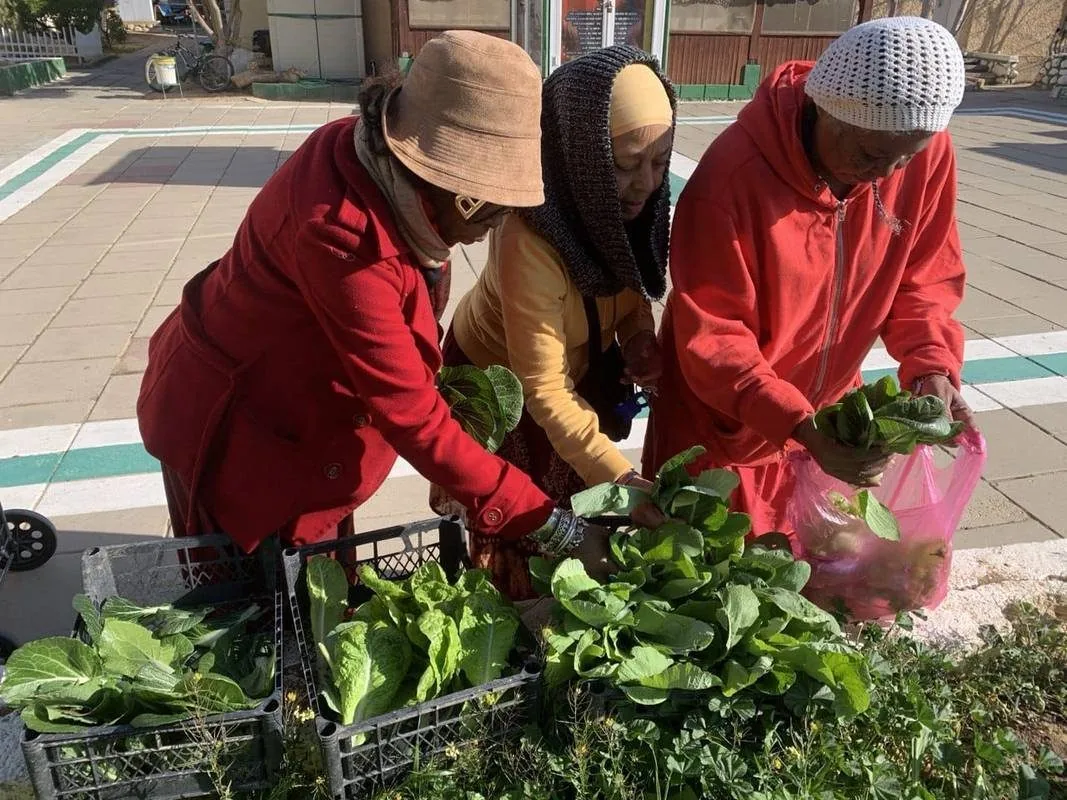
Images of community gardens, vibrant soil, and healthy vegetation.
Cultural Fermentation: Traditional Wisdom for Collective Health
Across cultures, traditional fermentation practices have served as sophisticated technologies for community microbiome maintenance—preserving not just food but also the microbial diversity essential for health.
Living Food Traditions
Traditional fermentation practices represent community microbial management systems:
- Continental African fermented grain preparations often involve starter cultures passed down through generations.
- Wild fermentation techniques capture location-specific microbial communities.
- Fermentation festivals celebrate living food traditions.
- Regional starter culture libraries preserve microbial heritage.
- These traditions maintain not just cultural identity but also regionally adapted beneficial micro-organisms that support community health.
Maternal Microbiome Wisdom
Women have traditionally served as primary carriers of fermentation knowledge:
- Starter cultures for sourdough, yoghurt, and other ferments were traditionally passed from mother to daughter.
- Prenatal dietary traditions often emphasised fermented foods to optimise maternal microbiomes.
- Infant feeding practices incorporated small amounts of fermented foods to gradually colonise developing gut microbiomes.
- Preservation techniques ensured beneficial micro-organisms remained available through seasonal scarcity.
Modern Disconnection and Rebuilding Community Microbiome Health
Despite challenges of modern disconnection through sanitised environments and fractured food systems, communities worldwide are developing innovative approaches to restore shared microbial health:
- Community-supported agriculture providing direct farm-to-table connections.
- Urban greening initiatives designed to increase environmental microbial diversity.
- Community composting projects that rebuild soil microbial communities.
- Cultural fermentation practices experiencing global resurgence.
The Path Forward: From Individual to Collective Microbial Health
The emerging understanding of community microbiomes fundamentally transforms how we conceptualise health—moving from an individual, body-centric model to a collective, ecological perspective where personal wellbeing cannot be separated from community health.
Beyond Personal Probiotics
While individual probiotic supplementation has value, true microbial health requires community-level approaches:
- Supporting diverse environmental microbiomes that continuously replenish human microbiomes.
- Rebuilding cultural practices that facilitate beneficial microbial exchange.
- Creating built environments that support rather than suppress microbial diversity.
- Preserving traditional knowledge of microbial management across generations.
The Healing Power of Connection
Perhaps most profoundly, the community microbiome concept reveals that connection itself—to other humans, to our environments, to our food systems—is biologically essential:
- Physical contact with others supports microbial exchange necessary for immune function.
- Environmental connection exposes us to diverse micro-organisms that enhance resilience.
- Food relationship quality directly impacts our microbial health.
- Cultural continuity preserves microbial wisdom essential for wellbeing.
This understanding returns us to ancient wisdom: that human health has always been communal, that our bodies have never been truly separate from our communities or environments, and that healing requires restoring these fundamental connections.
References
Lax, S., et al. (2014). Longitudinal analysis of microbial interaction between humans and the indoor environment. Science, 345 (6200), 1048–1052.
Dominguez-Bello, M.G., et al. (2016). Partial restoration of the microbiota of cesarean-born infants via vaginal microbial transfer. Nature Medicine, 22 (3), 250–253.
Gomez, A., et al. (2016). Gut microbiome of coexisting BaAka Pygmies and Bantu reflects gradients of traditional subsistence patterns. Cell Reports, 14 (9), 2142–2153.
The Village of Peace “Mastering the Art of Living” collection includes apparel and products that celebrate these profound connections. Explore the collection at villageofpeacedimona.com/shop .
Other topics on Microbial Health in the Mastering the Art of Living Series:
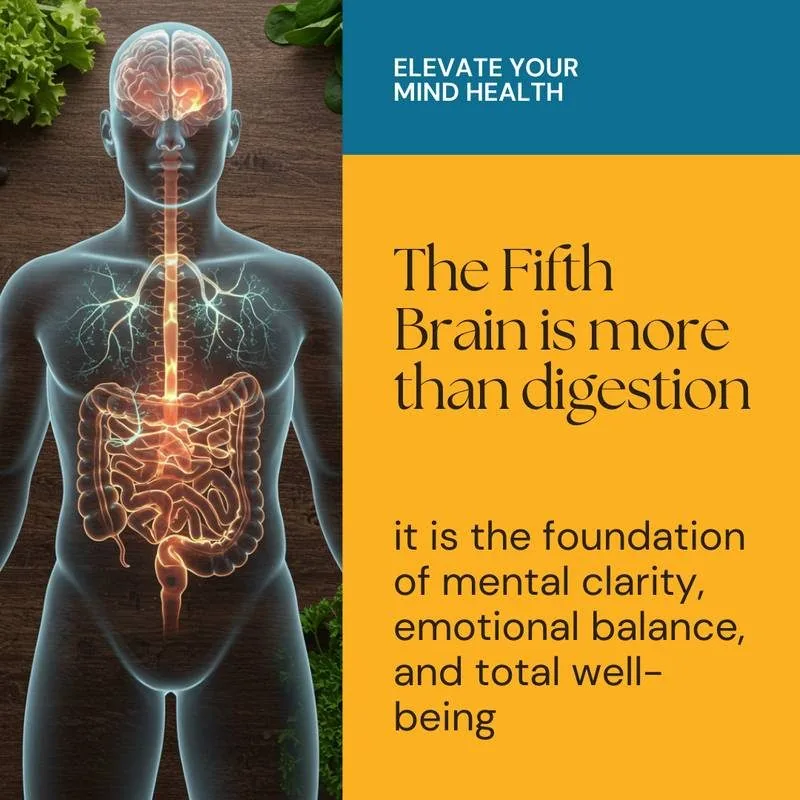
Why the Fifth Brain :
Discover the miraculous connection between your gut and the 5th Brain. With 90% of our serotonin produced in the gut, learn how nurturing your internal ecosystem mirrors the resource-sharing of healthy soil.
Written by
Village of Peace
Village of Peace Dimona