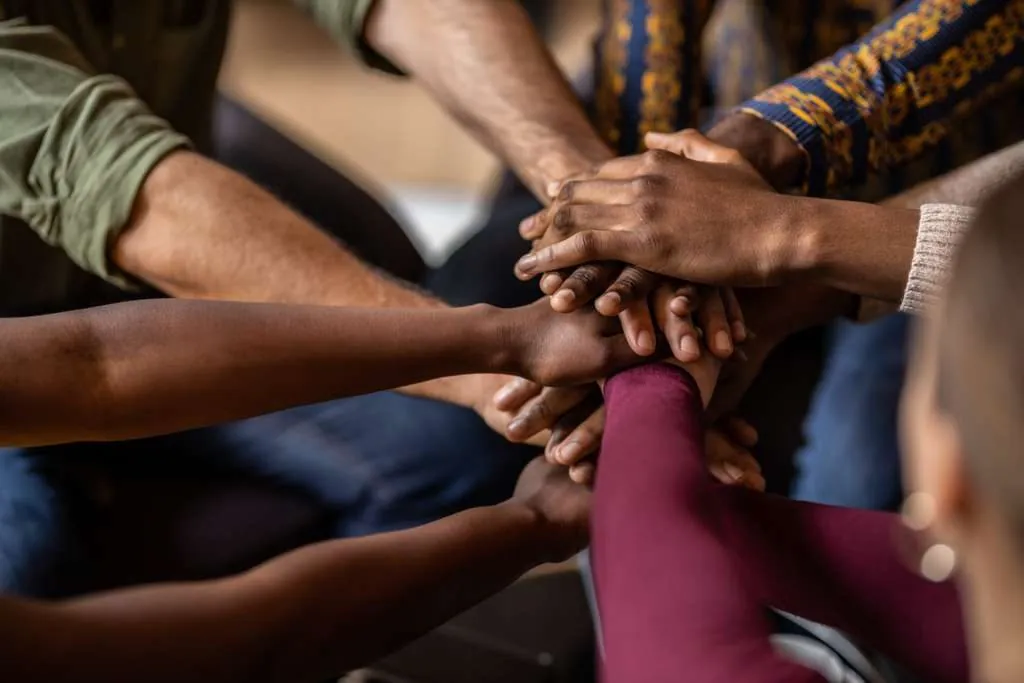
Step into the Village of Peace Dimona on any given day, and you will likely be greeted by the warm embrace of music. It drifts from open windows, rises from community gatherings, and fills our streets during celebrations. For us, music is far more than mere enjoyment; it is an integral part of our Innerattainment, the very infrastructure that binds our community, nurturing our shared identity and spirit.
The Foundation of Our Identity
From our earliest days in Dimona, the visionary founders of our community understood that true sustenance goes beyond food and shelter. A thriving community requires a strong sense of identity, woven from shared stories, rhythms, and moments of collective joy. Music and dance naturally emerged as the beautiful vehicles for expressing and reinforcing these essential elements of our communal life.
The Symphony of Our Lives
Our community's musical tradition is a rich tapestry, drawing inspiration from multiple cherished streams. We blend the soulful depths of African American gospel and soul with vibrant African rhythms, subtle Caribbean influences, and original compositions that deeply reflect our unique spiritual philosophy. The harmonious result is a distinctive sound, a vibrant expression that truly exists nowhere else in the world.
Celebrations and Expressions
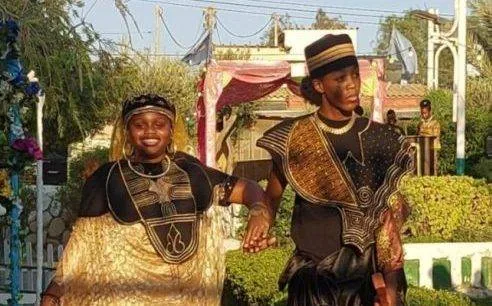
Annual celebrations, such as the joyous New World Passover, bring our entire community together for days filled with exhilarating music, dance, and profound cultural expression. These are not small gatherings; they are grand affirmations of our collective spirit. Stages are meticulously built, bands rehearse for weeks, choirs prepare elaborate performances, and the entire village transforms into a vibrant festival ground, alive with energy and purpose.
Nurturing the Next Generation
Our youth grow up fully immersed in this profound cultural richness, inheriting a legacy of artistic expression. From a tender age, they learn traditional dances, join vibrant drumming circles, and participate in uplifting choral groups. By the time they reach their teenage years, many are already accomplished performers, carrying forward our heritage with grace and skill. Our community's youth dance groups and musical ensembles have proudly performed across Israel and on international stages, sharing our unique culture with the world.
Weaving Identity Through Fashion
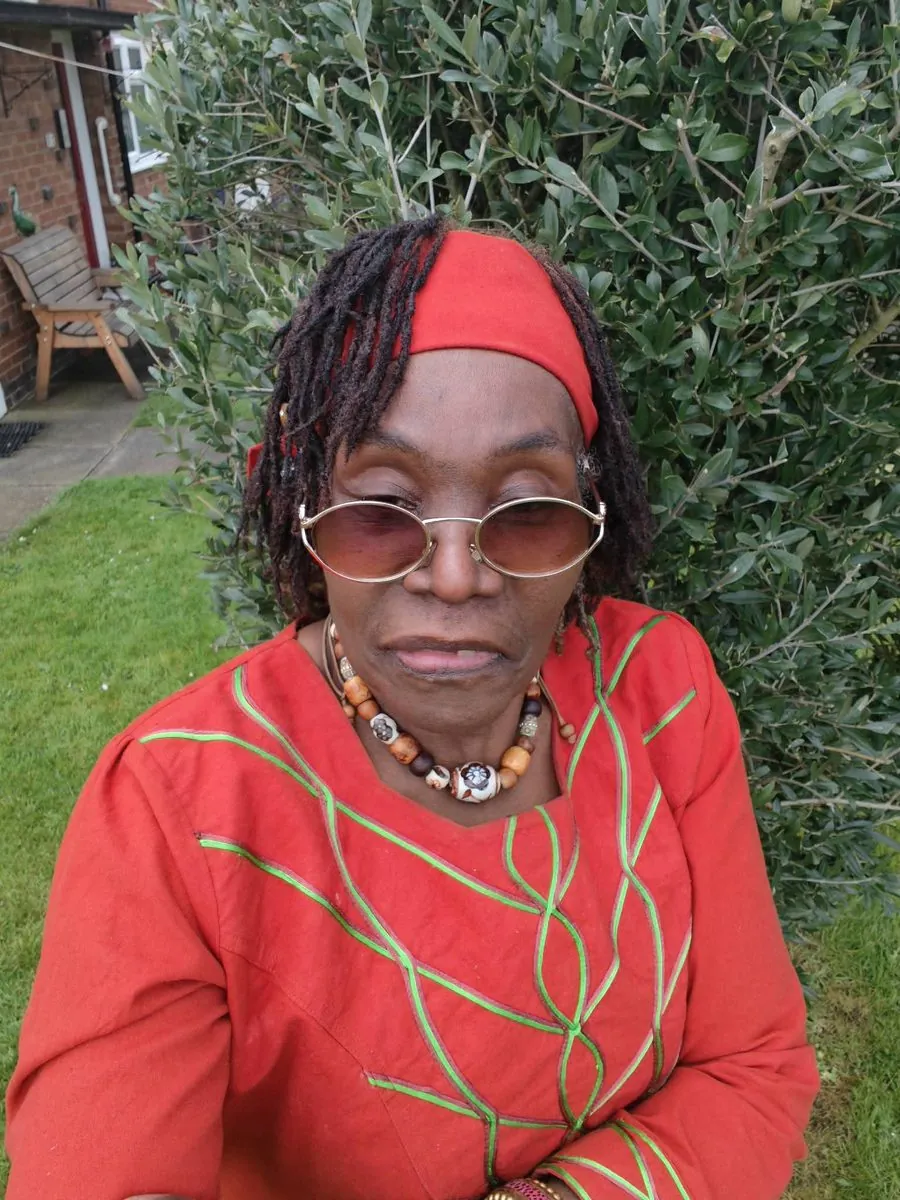
Beyond sound and movement, fashion stands as another vibrant pillar of our cultural identity. Community members proudly wear dynamic, African-inspired clothing that makes a powerful visual statement of cultural pride and connection. The rich colors, intricate patterns, and distinct styles are never random; each choice carries profound meaning, connecting wearers deeply to their heritage and to one another.
Sharing Our Light with the World
Our community's rich cultural output also serves a vital outward-facing purpose, extending an invitation to the world. Our musical performances, dynamic dance exhibitions, and vibrant cultural events warmly draw visitors from across Israel and beyond. These interactions open meaningful doors for conversation, help to break down misconceptions, and gracefully introduce the wider world to the transformative way of life found within the Village of Peace.
Ultimately, culture is the sacred thread that weaves individuals into a true community, transcending mere proximity. It is the shared language that lovingly holds our people together across generations, fostering understanding and belonging. In the Village of Peace, that vibrant language is continuously spoken through our music, dance, art, and celebration, a testament to more than 50 years of unwavering dedication to our heritage and our shared future. We warmly invite you to experience this living culture for yourself during your next visit.
Written by
VOP Cultural Committee
Village of Peace Dimona