Our journey from survival to intentional structure is a testament to enduring spirit. Explore how communities build lasting frameworks for future generations.
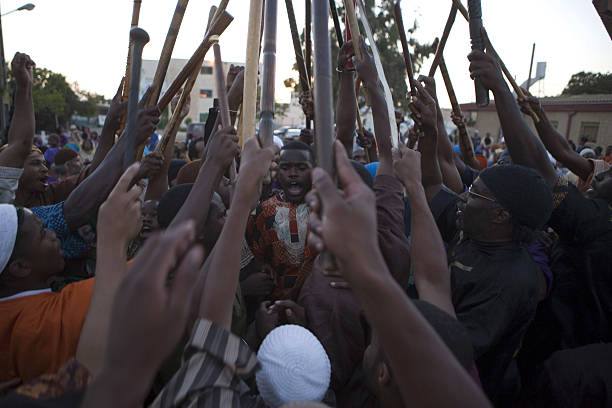
The journey of our people is profoundly marked by stories of survival. It speaks of resilience through broken chains, enduring marches, barriers overcome, and voices raised against injustice—a testament to our strength, courage, and unwavering faith. Yet, as powerful as these narratives are, survival alone is not the final chapter of a people’s story. At some point, the focus must shift from merely enduring to intentionally building lasting structures for our future generations, a principle beautifully embodied by the Village of Peace.
For any community that has navigated hardship, a crucial question emerges: What do we build once the immediate struggle for survival subsides? How do we establish systems that carry our sacred values forward, structures that nurture our youth, and a way of life that truly expresses who we are? This is the essence of a survival structure community, emphasising the vital importance of creating enduring frameworks that foster growth and resilience. Here, our history deepens, moving beyond mere reaction into profound creation, shifting from surviving oppression to constructing intentional, purposeful living.
Survival as Foundation
Across the African diaspora—from the shores of West Africa to the plantations of the Americas, from the townships of South Africa to the urban centres of Europe—our communities have demonstrated extraordinary resilience. This resilience preserved our culture, rhythm, memory, language, spirituality, and family bonds even under extreme pressure. Survival preserved the drumbeat, but survival is not the drum’s full rhythm.
When people live in constant reaction to external pressures, their energy is spent on coping. Structure, however, requires planning, discipline, and collective agreement about our shared values and direction. Structure declares: We will not only endure—we will design our destiny.
From Reaction to Design
The history of our people is not solely a narrative of protest; it is equally a testament to our capacity for building. We have built schools, cultivated farms, established businesses, founded faith institutions, ignited artistic movements, formed economic cooperatives, and woven intricate family networks. These were not simply reactions to exclusion; they were profound expressions of our collective identity.
Intentional communities throughout history have beautifully embodied this shift. Whether in rural settlements or urban enclaves, groups have come together around shared values to create systems that reflect their understanding of health, spirituality, economics, and education.
The Village of Peace: Structure as Living History
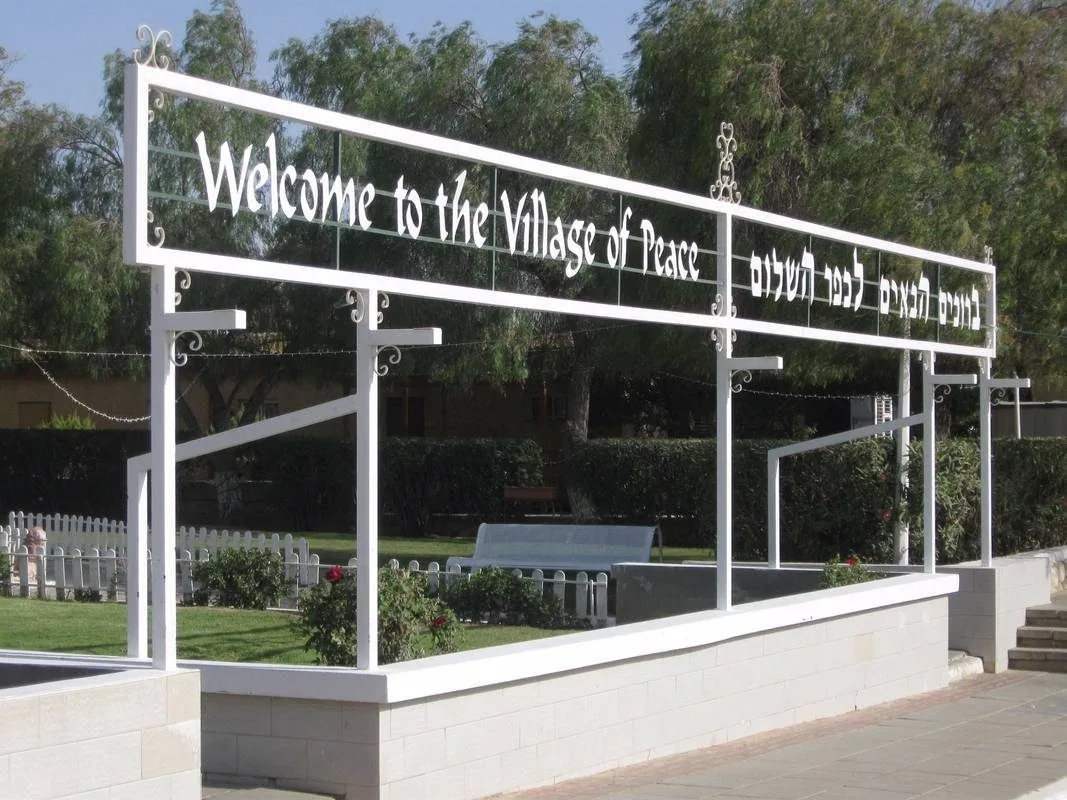
One contemporary and powerful example of this structural shift is our beloved Village of Peace. Founded by African Hebrew Israelites who embarked on a journey from the United States to Israel in the late 1960s, under the prophetic leadership of H.E. Ben Ammi Ben-Israel, our community stands as more than just a residential area; it is a living system. Our story began, like many others, with a deep yearning for freedom and self-determination.
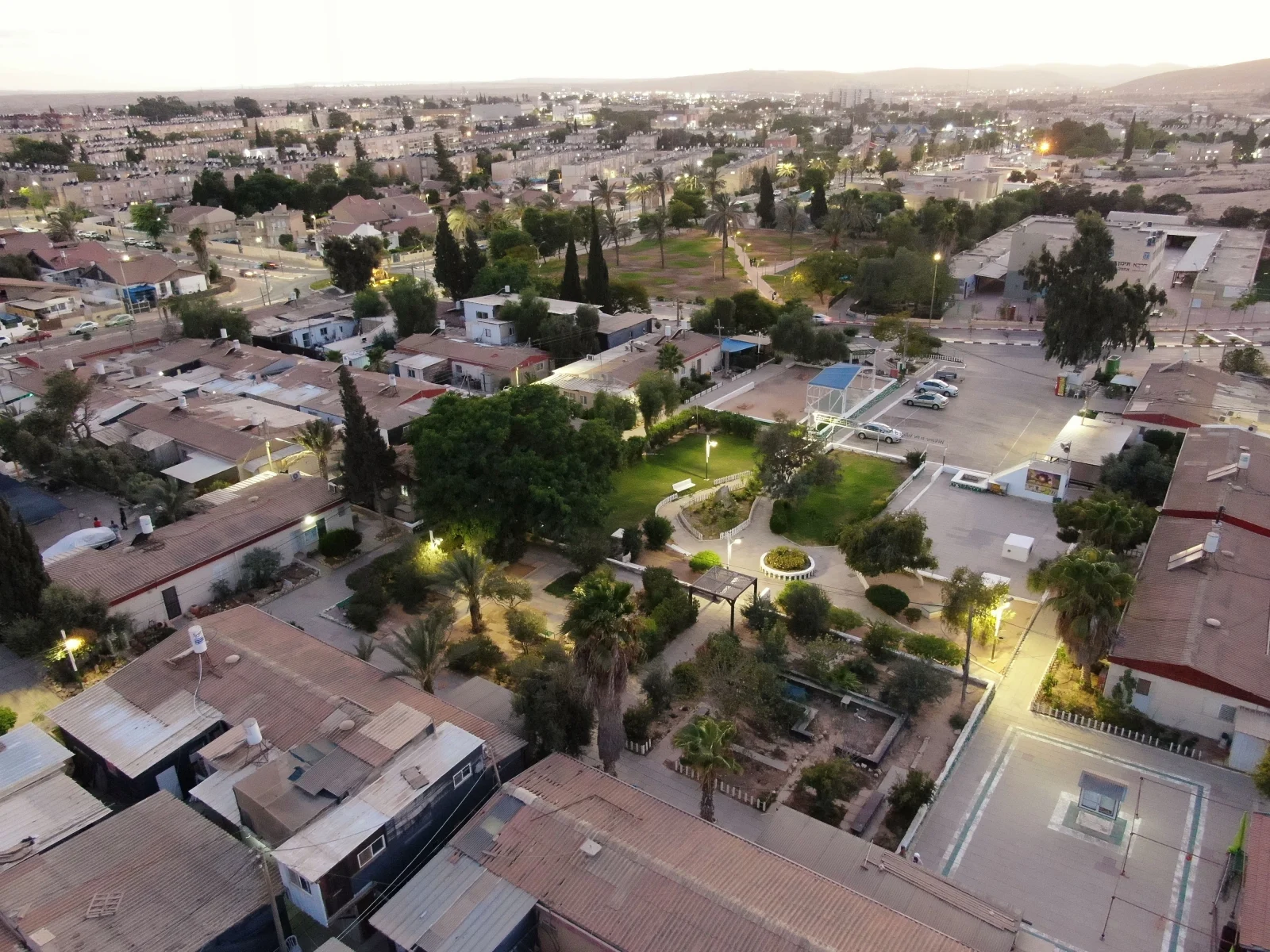
Members sought liberation from social and economic conditions they believed were limiting their spiritual and physical growth. But rather than remain in a cycle of protest alone, we moved toward structure—building a community grounded in spiritual discipline, plant-based nutrition, education, a reclaimed cultural identity, and shared responsibility. It has been over 50 plus years since Ben Ammi received the vision in Chicago, a vision that continues to manifest in our daily lives here in Dimona.
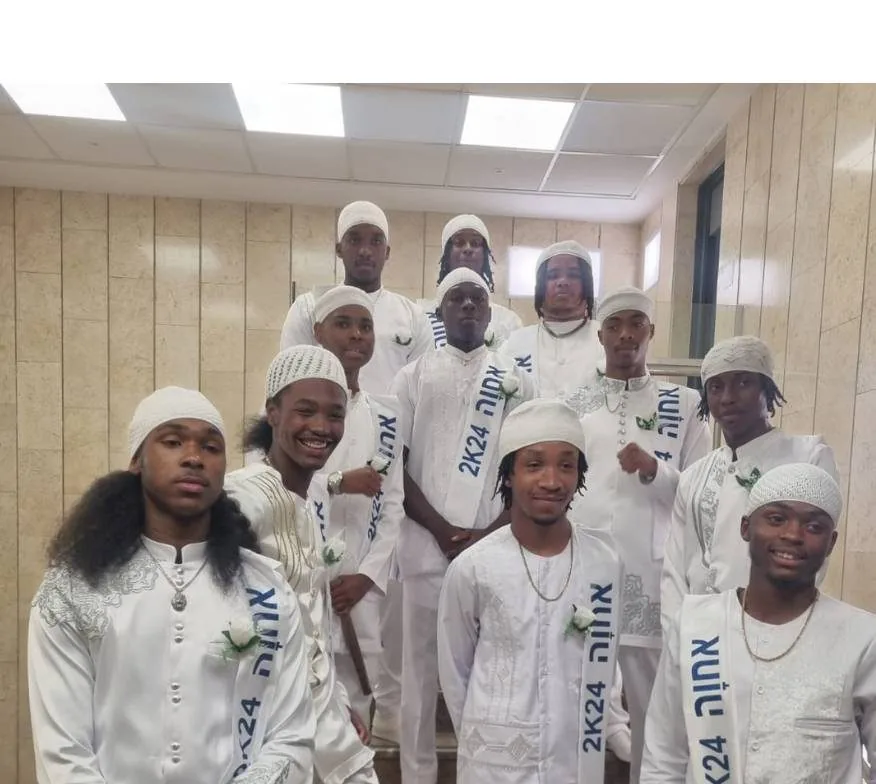
Here, our history is not merely commemorated once a year; it is vibrantly practised every single day. Our food is not just sustenance; it is a philosophy. Our families are not isolated units; they are integrated into a wider network of mutual care. Our youth are not only taught academics; they are taught identity and purpose. Our music is not merely melody; it is memory, prophecy, and praise, carrying the story of a people who chose life.
This is what it means to move from survival to enduring structure: to take a vision received in Chicago and build it, day by day, into a living community in Dimona. Our heritage is not kept behind glass in a museum. It is around us, within us, and still being written. We invite you to come and see it for yourself.
Written by
Village of Peace
Village of Peace Dimona