In our community, we hold a deep reverence for food that nourishes not only the body but also the spirit, embodying our commitment to holistic health and Mastering the Art of Living. While we are well-acquainted with the four basic tastes - salty, sweet, bitter, and sour - there exists a fifth, often elusive flavour that adds profound depth and satisfaction to our plant-based meals. It's called umami, and understanding its essence is a key to truly elevating our culinary experience.
What is Umami?
Umami is more than just a taste; it's an extra dimension, a "deliciousness" that brings a fullness and depth of flavour beyond simple saltiness. This Japanese term, meaning "essence of deliciousness," was only widely acknowledged and named in the last century, yet its presence has enriched cuisines for millennia. It's that deeply satisfying, savoury note that makes you want another bite, a profound experience for the palate.
A Taste of History: The Discovery of Umami
The journey to formally identify this unique flavour began with Dr. Kikunae Ikeda, a Japanese scientist at Tokyo Imperial University. In 1907, while savoring a bowl of kombu dashi - a foundational Japanese broth made from kelp seaweed and dried bonito fish flakes - Dr. Ikeda noticed a distinct savoury quality. This taste was different from the familiar four, reminding him of other savoury foods he'd encountered, like asparagus and tomatoes, sparking a profound curiosity.
Driven by this curiosity, Dr. Ikeda, a chemist, sought to understand this "new" flavour. By 1908, he successfully isolated the key molecule responsible for umami from the kombu seaweed: the amino acid glutamate. He discovered that the glutamate from kelp, when combined with inosinate from bonito flakes, amplified the umami experience. Further research later identified guanylate (found in dried shiitake mushrooms) as another powerful umami source, especially when paired with glutamate. These discoveries highlighted how specific amino acids activate our taste receptors, creating that profound savoury sensation.
How We Perceive Umami
The experience of umami is often described as complex and profoundly satisfying. It creates a mouthwatering sensation that spreads across the tongue and lingers longer than other flavours. This depth of flavour is almost universally perceived as deeply satisfying, contributing to a sense of contentment after a meal. It's an integral part of what makes food truly enjoyable and memorable.
The Holistic Benefits of Umami
Beyond its deliciousness, umami also offers significant health benefits, particularly as we age. Researchers from Tohoku University Graduate School of Dentistry in Japan discovered how the umami flavour triggers taste sensations important for overall health. Their studies showed that some elderly individuals experience a loss of umami taste sensation, often leading to appetite and weight loss, which can impact their general well-being.
The presence of umami taste receptors in the gut suggests that this flavour plays a role in nutrient sensation and can even modulate digestion. This insight underscores the importance of maintaining a vibrant sense of taste throughout life, a testament to our body's intricate design. For our community, dedicated to holistic health and Mastering the Art of Living, understanding how flavour contributes to overall well-being is an invaluable aspect of our journey towards optimal living.
Abundant Umami in Our Plant-Based World
While umami is sometimes associated with animal products, it was originally discovered in a plant-based ingredient: kombu, a nutritious brown kelp! This mighty seaweed, rich in glutamate, was Dr. Ikeda's initial inspiration. Indeed, the world of plant-based eating is brimming with incredible sources of umami, allowing us to create profoundly satisfying and flavorful meals. It's the "free" glutamate in these foods that signals the umami experience on our palate.
Consider incorporating these plant-based ingredients to elevate your dishes with a rich umami depth:
- Ripe vegetables: Tomatoes, carrots, sweet potatoes, and spinach
- Dried vegetables: Sun-dried tomatoes, dried mushrooms
- Fresh and dried mushrooms: Particularly shiitake mushrooms, which are rich in guanylic acid, a potent umami source
- Fermented vegetables and beans: Sauerkraut, kimchi, tempeh
- Miso pastes: A staple for savoury depth
- Low-sodium soy or tamari sauce
- Nutritional yeast: A cheesy, savoury flavour enhancer
- Dried and fresh seaweeds: Such as kombu and wakame
- Many other condiments: Including ketchup and mustard
This list is just a starting point for your own culinary exploration, a vibrant invitation to deepen your culinary wisdom. Embracing these potent ingredients allows us to craft meals that are not only nourishing for the body but also deeply satisfying for the spirit, aligning perfectly with our plant-based lifestyle and our commitment to holistic well-being.
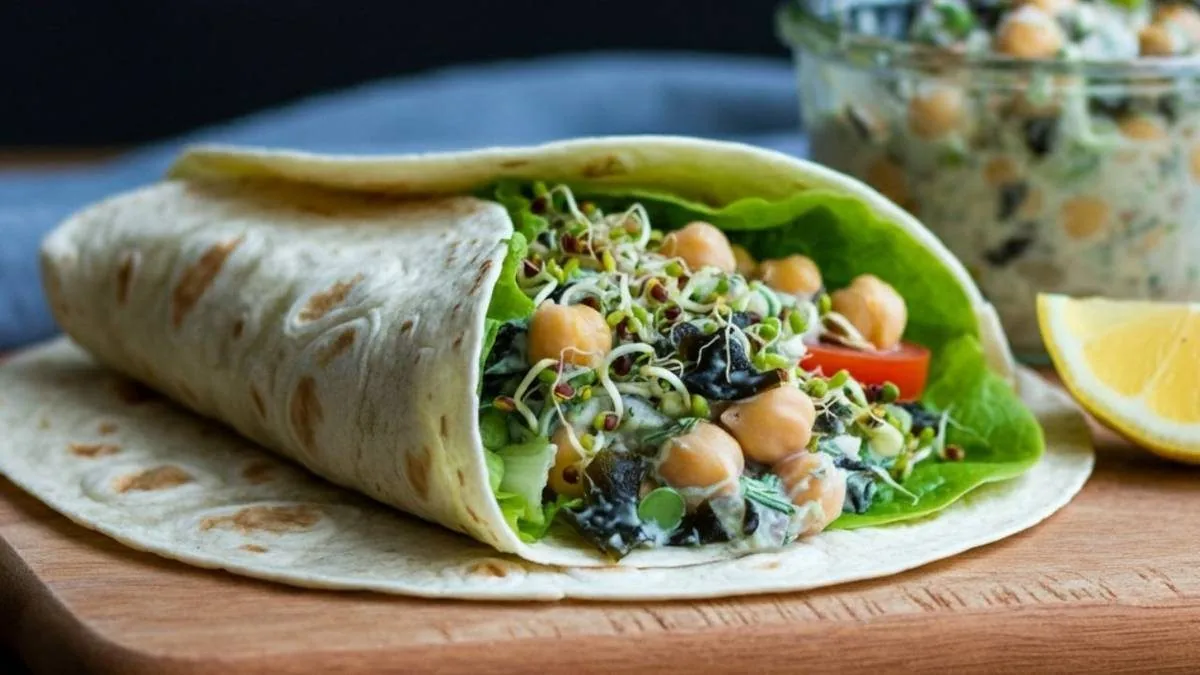
We invite you to embark on your own journey of flavour discovery, exploring the rich world of umami in your kitchen. Start with our Umami-Rich Chickpea Sea Salad with Wakame, a versatile plant-based delight that truly embodies this profound taste. Share your culinary adventures with our community here or on any of our socials - we love to learn and grow together in the art of delicious and healthy living!
Written by
Sgan Yahgdeer
Village of Peace Dimona